close
Choose Your Site
Global
Social Media
Views: 1000 Author: steelmama roll forming machine Publish Time: 2026-01-21 Origin: 840 IBR roof sheet machine


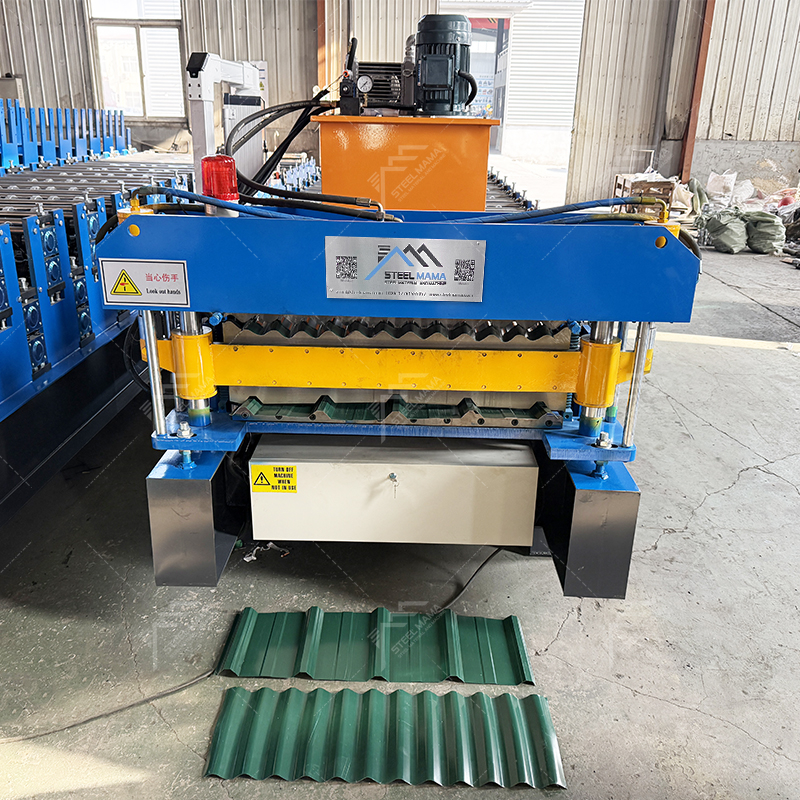
Roll forming machines, as core equipment in the metal processing industry, have their normal operation directly impacting production efficiency and product quality. These machines continuously bend metal strips through a series of precisely arranged rollers to form specific cross-sectional shapes. However, the complex mechanical structure and continuous operating environment make roll forming machines susceptible to wear and tear. Therefore, a scientific and systematic maintenance plan can not only significantly extend equipment life and reduce failure rates, but also maintain product dimensional accuracy and reduce material waste. In the long run, this is an important investment for companies to control operating costs and enhance market competitiveness. This article will systematically explain the four core aspects of roll forming machine maintenance, providing practical guidance for equipment managers.
Daily maintenance should be performed before and after each shift. Operators should clean the machine surface and roller area, removing metal chips, dust, and oil stains to prevent impurities from affecting forming accuracy. They should also check the oil levels of the hydraulic system and lubrication device to ensure they are within the standard range. More detailed inspections should be conducted weekly, including tightening bolts in critical areas (especially roller shaft fixing bolts), checking the tension and wear of drive belts or chains, verifying the safety of electrical connections, and testing the sensitivity and reliability of the emergency stop function.
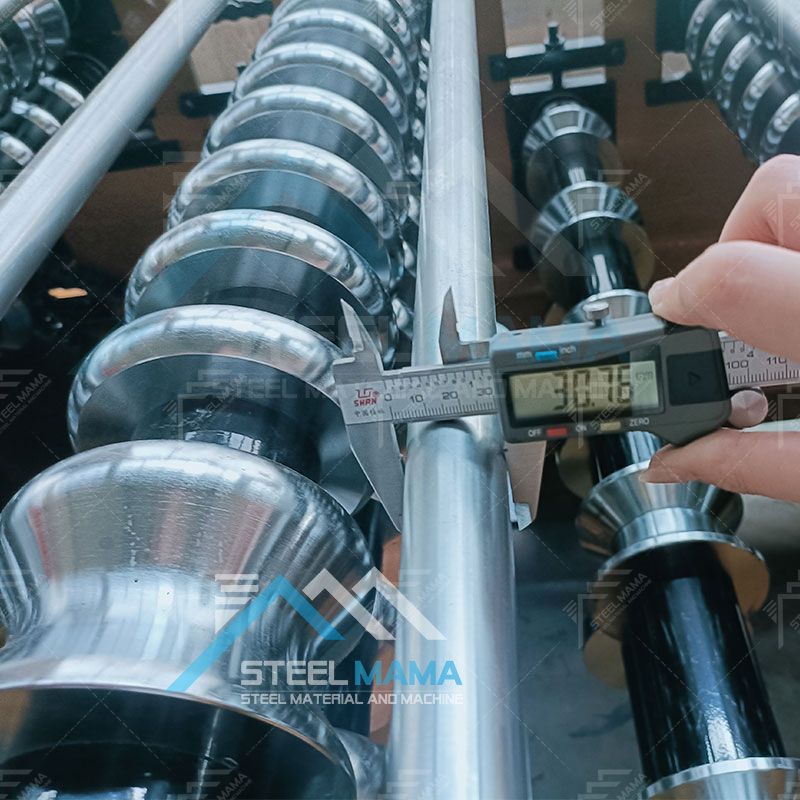
Periodic maintenance is scheduled based on equipment operating time, usually every 500 hours or quarterly. Key aspects include: disassembling and cleaning the lubrication system, replacing filters and old oil; calibrating the clearance and parallelism of all rollers, using precision measuring instruments to measure the deviation between actual and set values; checking the vibration and temperature rise of the main motor and gearbox, and recording any abnormal noise; and evaluating the wear status of the forming molds, especially the roller surfaces at critical forming positions.

The roller system is the core of the forming machine, and its maintenance requires extra care. Every two weeks, a special cleaning agent should be used to remove oil stains and metal particles from the roller surface, and the surface should be checked for scratches, dents, or corrosion. Minor damage can be repaired with a fine oilstone; severe wear requires timely replacement. Lubrication of roller bearings should strictly follow the manufacturer's recommended grease type and lubrication cycle; both over-lubrication and under-lubrication are equally harmful. The gear transmission box requires a complete gear oil change every six months, along with an inspection of the gear meshing clearance. Excessive clearance can lead to fluctuations in the formed dimensions. For equipment using hydraulic systems, the cleanliness of the hydraulic fluid should be checked monthly, as solid contaminants can accelerate pump and valve wear; the condition of seals should be checked quarterly to prevent leaks that could lead to insufficient pressure.
The electrical control system is the brain of modern roll forming machines. Dust should be regularly removed from the control cabinet, and wiring terminals should be checked for looseness, especially the contacts of frequently operating relays and contactors. Servo motors and encoders should be kept clean and dry to prevent metal dust from affecting positioning accuracy. Sensors (such as position sensors and pressure sensors) should be calibrated every six months to ensure accurate feedback signals. These specialized maintenance procedures can effectively prevent sudden problems, and the maintenance costs are far lower than those of reactive repairs.

Professional commissioning is required when the equipment undergoes major overhauls, key component replacements, or when producing new products. Before commissioning, ensure that the foundation level meets the requirements. Roll installation should follow the sequence from rough forming to fine forming, gradually adjusting the clearance. After each adjustment, a test run with a section of material should be performed, and the cross-sectional dimensions should be measured and compared with standard templates. During commissioning, the adjustment amount of each roll should be recorded to create standardized data for future production changes. For equipment producing high-precision products or high-strength materials, a comprehensive inspection by the manufacturer or a third-party professional organization may be necessary.
In terms of long-term management strategies, companies should train operators to master basic maintenance skills and problem-solving abilities. Based on equipment usage intensity and industry standards, a reasonable component replacement plan should be developed, such as the preventive replacement of transmission bearings every 15,000 operating hours to avoid consequential damage caused by sudden failures. Stockpiling key spare parts (such as special specifications of bearings and servo drive modules) can significantly reduce downtime. At the same time, consider the possibility of equipment upgrades, such as adding automatic lubrication systems or vibration monitoring sensors to older machines to improve maintenance efficiency. Ultimately, scientific maintenance and upkeep ensure that the roll forming machine better serves production and creates stable and long-term benefits for the enterprise.
If you are looking for efficient and reliable roll forming machines for your business, Steelmama offers a range of high-quality equipment to meet your various needs in metal parts manufacturing. Our machines combine advanced technology and superior performance to ensure precise and efficient production solutions for you. Browse our product range today or contact our sales team for expert advice and support to help you achieve your production goals.